

What are Standby Apps in Android P and How to Use It?
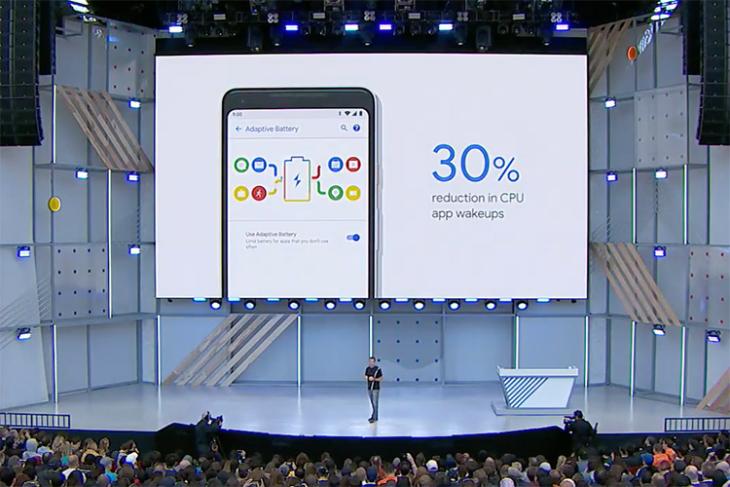
Google has rolled out the new Android P Beta today at Google I/O, and boy does it bring a ton of new features and improvements. While the new gesture-based navigation steals the limelight, Google has also added a ton of improvements under-the-hood to improve the user experience. With battery life becoming more of a demand from users, Google has promised amend and effective battery management with Android P. While every new version introduces something new regarding bombardment life, such every bit Doze, this twelvemonth with Android P, Google has brought about App Standby Buckets. With the help of App Standby Buckets, you will be able to accept more than control over the apps running in the background, affecting your bombardment life. But before talking almost how to use it, let us discuss what App Standby Buckets exactly are:
What are App Standby Buckets?
App Standby Buckets is a new power-saving tool introduced with Android P Developer Preview ii. Basically, it categorizes apps based on how oftentimes you use them and limit their access to device resources accordingly. This is a dynamic procedure, and the arrangement assigns each app to a priority saucepan and so reassigns the apps equally needed.
According to Google, in that location are 4 main App Standby Buckets, namely:
-
Agile
An app is said to be in the active bucket if the user is currently using the app, for instance:
- The app has launched an activity
- The app is running a foreground service
- The app has a sync adapter associated with a content provider used past a foreground app
- The user clicks on a notification from the app
As such, if an app is in the active saucepan, the organisation does not identify any restrictions on the app's jobs, alarms, or FCM messages.
-
Working Set
An app is said to be in the working set bucket if information technology runs often just it is not currently active. For instance, a social media app that the user launches almost days is likely to be in the working fix. Apps are too promoted to the working set bucket if they're used indirectly. If an app is in the working set up, the organization imposes mild restrictions on its power to run jobs and trigger alarms.
-
Frequent
An app is said to be in the frequent saucepan if it is used regularly, merely not necessarily every mean solar day. For case, a workout-tracking app that the user runs at the gym might be in the frequent saucepan. If an app is in the frequent saucepan, the organisation imposes stronger restrictions on its ability to run jobs and trigger alarms and also imposes a cap on loftier-priority FCM letters.
-
Rare
An app is said to be in the rare saucepan if it is not often used. For instance, a hotel app that the user only runs while they're staying at that hotel might be in the rare bucket. If an app is in the rare bucket, the system imposes strict restrictions on its power to run jobs, trigger alarms, and receive high-priority FCM messages. The system also limits the app's power to connect to the net.
-
Never
Lastly, in that location's a special never saucepan for apps that have been installed merely have never been run. The system imposes severe restrictions on these apps.
The Problem to App Standby Buckets
In theory, App Standby Buckets sounds like a neat feature. However, there happens to be a catch to information technology. As stated by Google, "Every manufacturer can set their own criteria for how non-active apps are assigned to buckets." Effectively, each manufacturer can manage the apps and distribute or categorize the apps into diverse buckets based on their idea of designing. While Google claims that the process is dynamic and Android would categorize apps based on the user's usage, it's worth noting that Android will autumn dorsum to this usage design organization to decide app placement just if the device lacks pre-loaded software that would otherwise make up one's mind where an application might be placed.
Nonetheless, users can manually also decide the Standby Bucket for each app, based on their liking. To do and so, read on, as we show y'all how to manually set Standby Buckets for each app:
How to Manually Utilize Standby Apps
Note : I tested the post-obit method on my Google Pixel 2 40 running Android P Developer Preview two. The method should remain the same for all other devices running Android P Developer Preview 2.
1. First off, head over to Settings -> Organization -> Near Phone.
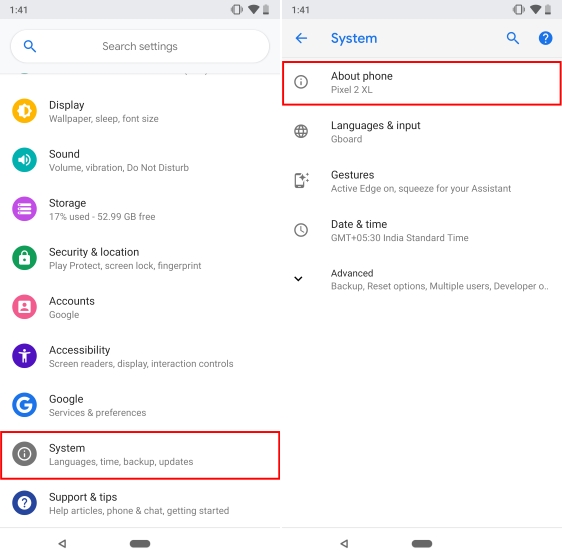
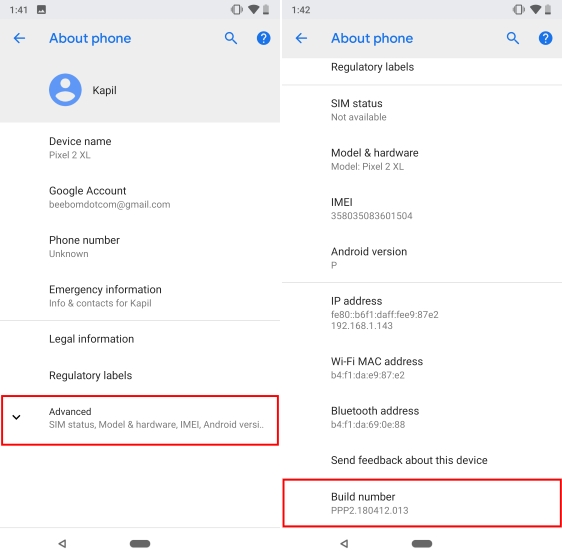
ii. Now, tap on Advanced and ringlet all the way down. Tap on "Build number" seven times to enable developer options.
3. Once you've washed that, head over to Settings -> System -> Avant-garde -> Developer Options.
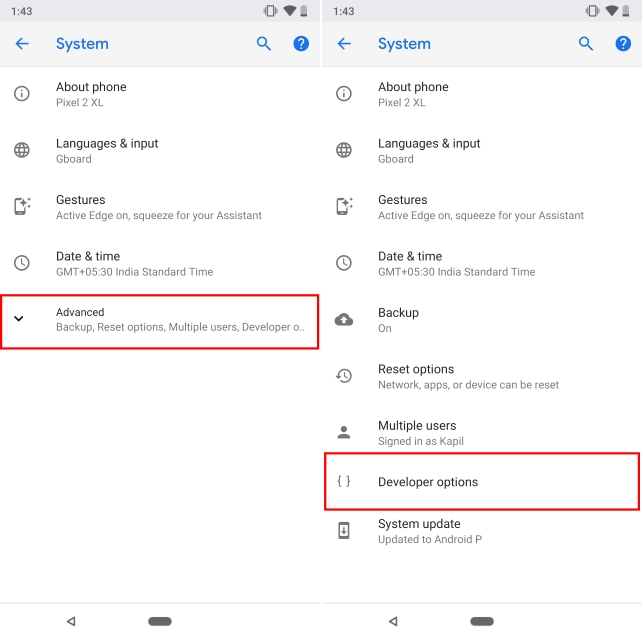
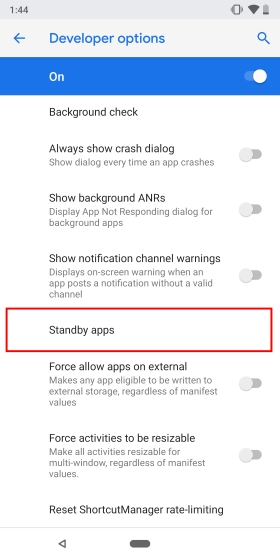
4. One time here, ringlet downwards to the very bottom. Tap on "Standby apps".
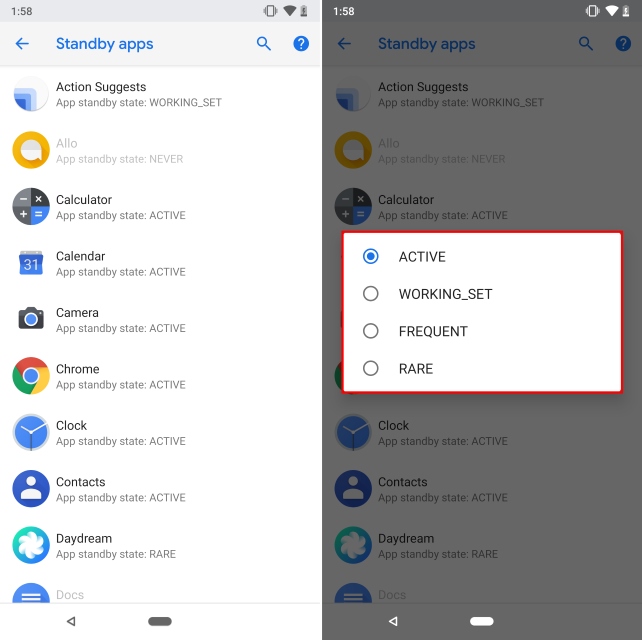
5. And that'south it. Yous will now meet a list of all the apps installed on your device. But tap on whatsoever app you wish to alter the Standby Saucepan of. You lot should get a list to cull from the iv main Standby Buckets mentioned previously.
Meet Too: Here's the List of Devices Compatible with Android P Beta
Go Better Bombardment Life with Standby Apps on Android P
Well, merely like Doze, App Standby Buckets aim to promise better battery backup. Using the in a higher place guide, you should be able to gain manual command on assigning apps to your preferred app buckets, rather than letting your OEM exercise it. On the other hand, if you're running Android P on a Pixel device, Android would automatically exercise the profiling for you lot. While the bodily effect on bombardment life with App Standby Buckets will only show after a couple of days of usage, the feature in itself seems to be pretty great.

Source: https://beebom.com/standy-apps-android-p/
Posted by: grossdithey.blogspot.com
0 Response to "What are Standby Apps in Android P and How to Use It?"
Post a Comment